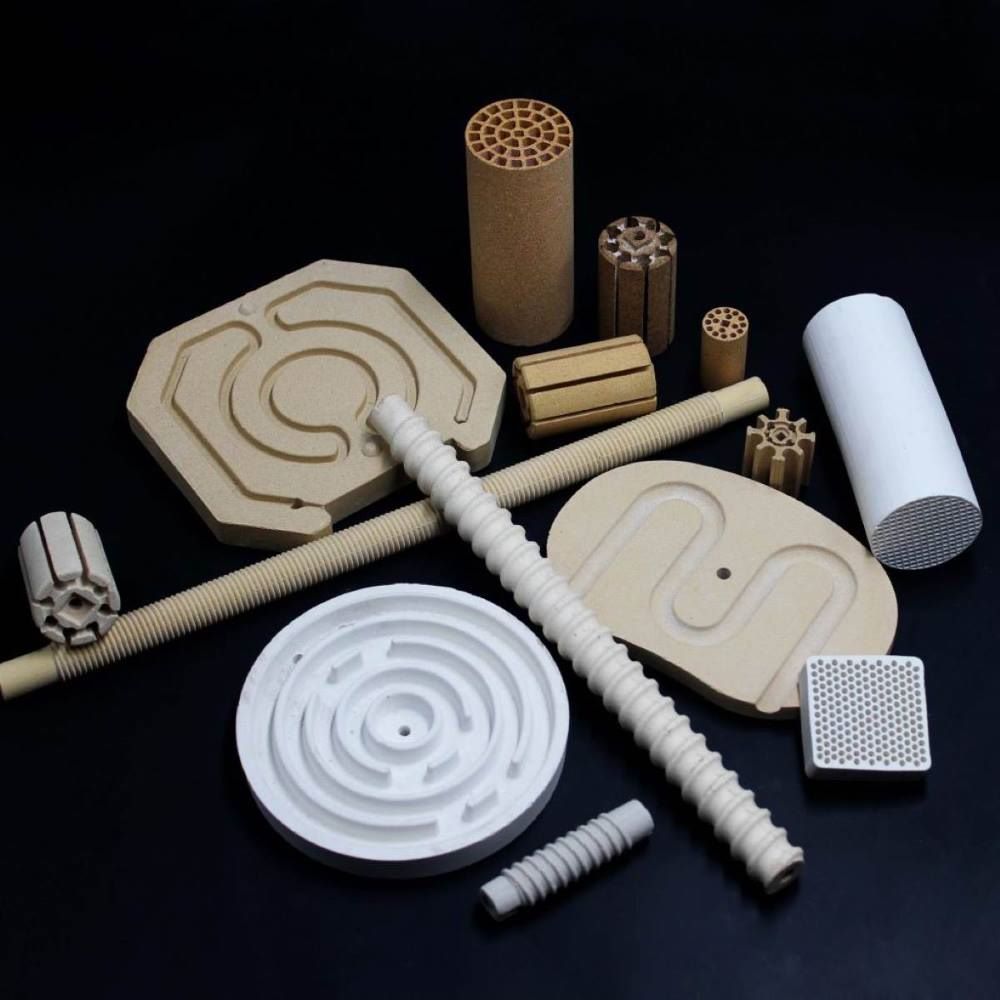
The Comparison Between Ceramic Terminal Block VS Terminal Block
1. Material
-
Ceramic Terminal Block:Constructed from advanced ceramic materials such as alumina or steatite, it provides exceptional insulation and remarkable heat resistance. These materials are engineered to maintain their structural integrity and performance in high - temperature environments, withstanding significant mechanical vibrations and electrical surges. For example, in high - voltage power distribution substations, ceramic terminal blocks ensure secure and reliable connections, safeguarding the system from electrical leakage and short - circuits.
-
Terminal Block (Plastic):Typically fabricated from materials like polycarbonate, nylon, or PVC. They are significantly lighter than their ceramic counterparts, making them more convenient for applications where weight is a crucial factor. In small - scale electronic devices such as smartphones or tablets, plastic terminal blocks are used to connect various internal components due to their lightweight nature and ease of installation
2. Electrical Performance
-
Ceramic Terminal Block:Exhibits superior electrical insulation properties, making it highly suitable for high - temperature, high - voltage, and high - current applications. In high - power industrial motors, ceramic terminal blocks can handle the large electrical loads and dissipate heat efficiently, ensuring the motor's continuous and stable operation.
-
Terminal Block (Plastic):While offering good electrical insulation for moderate - temperature and electrical load applications, their heat and voltage resistance are relatively lower. In common household lighting fixtures, plastic terminal blocks can meet the basic electrical connection requirements, but they may not be suitable for high - power or high - temperature lighting setups.
3. Temperature Resistance
-
Ceramic Terminal Block:Can endure temperatures of up to 600°C or even higher, making it an ideal choice for industrial processes involving extreme heat, such as in glass manufacturing furnaces. The high - temperature resistance of ceramic terminal blocks ensures that the electrical connections remain intact and functional throughout the manufacturing process.
-
Terminal Block (Plastic):Limited to a temperature tolerance range of 100 - 250°C. In automotive interior electrical systems, where the temperature is generally within this range, plastic terminal blocks are commonly used to connect components like dashboard lights and infotainment systems.
4. Applications
-
Ceramic Terminal Block:Primarily used in high - temperature, high - voltage applications or those demanding exceptional insulation. In the production of high - energy - density batteries for electric vehicles, ceramic terminal blocks are employed to handle the high - voltage and high - current requirements during charging and discharging processes.
-
Terminal Block (Plastic):Widely utilized in low - temperature environments, such as in consumer electronics like laptops and smartwatches. Their cost - effectiveness and versatility make them the go - to choice for connecting various electrical components in these devices.
5. Cost
-
Ceramic Terminal Block:Owing to the complex production process and high - quality raw materials, they are relatively expensive. This cost - factor restricts their use mainly to high - end or specialized applications, such as in aerospace electrical systems where reliability and performance are non - negotiable.
-
Terminal Block (Plastic):Cost - effective due to simple manufacturing processes, making them suitable for mass production and general - purpose applications. In the manufacturing of low - cost household electrical appliances, plastic terminal blocks are used extensively to keep production costs down.
6. Durability
-
Ceramic Terminal Block:Highly durable due to the robust nature of ceramic materials. They are resistant to chemical corrosion, which makes them suitable for use in harsh industrial environments where exposure to corrosive substances is common. In chemical processing plants, ceramic terminal blocks can maintain their performance over long periods, reducing the need for frequent replacements.
-
Terminal Block (Plastic):While generally durable for normal applications, they are more susceptible to degradation over time, especially when exposed to certain chemicals or extreme environmental conditions. In outdoor electrical installations in coastal areas with high humidity and salt - air exposure, plastic terminal blocks may require more frequent maintenance or replacement compared to ceramic ones.
7. Installation Difficulty
-
Ceramic Terminal Block:Installation can be more challenging due to their relatively rigid structure and higher weight. Specialized tools and techniques may be required to ensure proper installation, especially in applications where precise alignment is crucial. In large - scale industrial equipment installations, trained technicians are needed to handle the installation of ceramic terminal blocks.
-
Terminal Block (Plastic):Easier to install, thanks to their lightweight and more flexible nature. They can be quickly assembled using standard hand - tools, making them a popular choice for DIY electrical projects and in - field repairs. In home improvement projects, homeowners can easily install plastic terminal blocks for basic electrical upgrades.
8. Environmental Impact
-
Ceramic Terminal Block:Ceramic production typically involves high - temperature firing processes, which consume significant amounts of energy. However, once in use, they have a long lifespan and are generally more environmentally friendly in the long - term due to their durability and resistance to degradation. Their recyclability, although limited, is also an advantage in some cases.
-
Terminal Block (Plastic):Plastic production also has an environmental footprint, and some plastic materials may not be easily biodegradable. However, their lower energy consumption during manufacturing and ease of recycling in some cases can be considered positive environmental aspects. In addition, the use of recycled plastics in the production of terminal blocks is becoming more common, further reducing their environmental impact.
Summary
Ceramic terminal blocks are best suited for high - temperature, high - voltage, and high - reliability applications, offering outstanding electrical and thermal performance. Plastic terminal blocks, on the other hand, are more cost - effective, lightweight, and easier to install, making them ideal for general - purpose and low - temperature applications. Each type has its own set of advantages and limitations, and the choice between them depends on the specific requirements of the electrical project.
Release time: 2025-01-17
Types and Characteristics of Alumina Ceramics